The Luminous Archive
The Guardian Animal
No reports collected on this site yet. See the assessment
- Ordinary dream
- Nightmare
- Lucid dream
An animal that positions itself between the dreamer and a threat. Dogs dominate the reports, and unlike most figures in this archive the guardian animal is usually described in detail.
Also called: protective animal, animal guide, the dog that protected me, guardian creature
This is an archive of what people report. A consistent description across independent reports is evidence that an experience recurs. It is not evidence that anything external exists. How this archive is built
An unusual entry for this wing, because the figure is well described. Where the intervener and the luminous figure are remembered as sensations, guardian animals are remembered as animals: species, size, colour, behaviour.
Dogs dominate by a wide margin, which has an obvious and probably correct explanation: dogs have been protective companions to humans for a very long time, and most reporters have known one.
The behaviour is consistent: the animal places itself between the dreamer and something. It does not usually attack. It stands.
Editorial assessment
Confidence: repeated.
Multiple independent reports sharing a specific and unusual behavioural pattern: interposition without attack. The behavioural consistency against the formal variability is a genuine pattern and is what earns the label.
The most likely account is personal rather than shared: humans have deep experience of protective animals, dreams draw on that, and a dreamer in danger constructs the protector their own memory best supports. That would predict exactly the pattern observed. Everyone's guardian looks different, everyone's guardian behaves the same.
This entry is unusually well placed to be strengthened by report collection, because the behavioural detail is specific enough to be checked.
Typical appearance
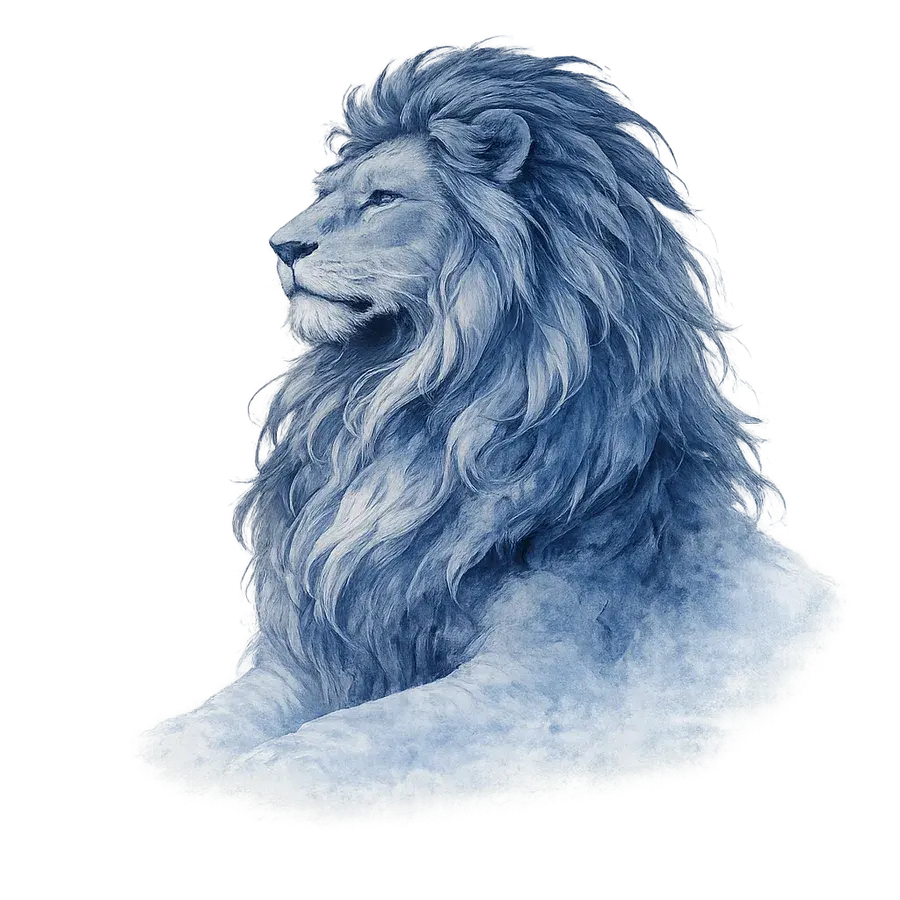
Most often a dog, frequently large. Also wolves, big cats, bears, horses and birds. Sometimes a specific animal the dreamer has known; often not.
Described with more visual detail than any other figure in this archive.
Typical behaviour
Interposes. Stands its ground. Faces the threat rather than the dreamer. Rarely attacks and rarely needs to.
A recurring detail: the animal is calm.
Where it appears
Wherever the threat is. Frequently outdoors, frequently at night.
Common encounter sequence
- Threat present or approaching.
- The animal arrives or is revealed to have been there.
- It positions itself between.
- The threat withdraws, or the dream calms.
How the dreamer feels
Safety, and a distinctive gratitude. Dreamers frequently report wanting to touch or thank the animal.
Earliest traceable reports
Guardian and companion animal traditions are extremely widespread. Psychopomp and guide animals appear in a great many cultures, as do protective household animals.
The dream-specific record is thinner than the folkloric one, and this entry is careful about the distinction.
Geographic and community spread
Reports are wide. Species varies plausibly with region and with the dreamer's own experience of animals, which argues for a personal rather than shared source.
Similarities and differences
Known versus unknown animal is the key variable. A dreamer's own dead dog appearing protectively is arguably a grief dream and cross-files with the ancestor material.
Species varies enormously; behaviour does not. That combination (inconsistent form, consistent function) is the strongest thing about this entry.
Common associations
- Interposition, the consistent behaviour.
- Companion animals, as the likely source material.
- Guardian traditions, widely.
- Consistent function, variable form.
Positive readings
Reported warmly and remembered well. Dreams of a deceased pet in a protective role are reported as particularly moving and belong equally with the grief material.
Difficult readings
Where the animal is harmed protecting the dreamer, reports are distressing and are remembered with real grief.
Psychological perspectives
Animals are common dream characters. Protective animals are a deep and long-standing part of human experience. Nothing here requires an explanation beyond memory and construction.
Cultural and historical
Extensive, and that is precisely the difficulty.
Protective animals are everywhere in belief: dogs at the threshold of the dead, guardian spirits in animal form, familiars, totemic protectors. Almost every tradition has something.
All of it is treated here as context rather than evidence, and more carefully than almost anywhere else in this archive. The reason is contamination. Somebody who already believes in spirit animals, and who then dreams of a dog placing itself between them and something, has a ready-made frame and will report it in those terms. That does not make the dream less real. It does mean the reports cannot be read as independent of one another.
The most valuable accounts come from dreamers with no such framework, who describe the same behaviour and then struggle to explain why an ordinary dog mattered so much.
What the sleep science says
Animals appear frequently in dream content. Nothing specific to protective behaviour.
Your own context
- What species, and did you know it?
- Did it attack, or just stand?
- What was it protecting you from?
- Have you had a protective animal in life?
If this recurs
A recurring guardian animal with a consistent species is a good report. Log the behaviour precisely.
Emotions often reported
- safety
- relief
- love
- awe
- grief
Questions for reflection
These are for your journal, not for us. Nothing you write is shared.
- What animal was it? Did I know it?
- Did it attack, or just stand between?
- What was it protecting me from?
- Have I had an animal like that in real life?
Dream interpretation is subjective. Nothing here is a diagnosis, a prediction, or medical advice.
Sources and reviewed references
3 references. What these labels mean
- 1.The Content Analysis of DreamsAcademic book
Calvin Hall and Robert Van de Castle (1966) · Appleton-Century-Crofts
Cited for: The standard coding system for dream content, and the normative frequencies that later studies are compared against. The reason claims like "aggression is more common in dreams than friendliness" can be stated numerically at all.
- 2.Man and His SymbolsPsychology literature
Carl Jung and others (1964) · Aldus Books
Cited for: The amplification method, the compensatory function of dreams, and the archetypal reading of recurring figures such as the shadow.
- 3.The Scientific Study of Dreams: Neural Networks, Cognitive Development and Content AnalysisAcademic book
G. William Domhoff (2003) · American Psychological Association
Cited for: The continuity hypothesis (that dream content largely reflects waking concerns) and a sustained critique of symbolic dream interpretation as an evidential method.
Encounters
How the guardian animal has actually turned up for other dreamers, in their own words. Add a drawing if you have one. A picture describes a figure in a way that the words on this page have not already shaped.
A horse, of all things, in a corridor
Absurd and completely reassuring. It positioned itself between me and the door and I understood that this was the arrangement. I have no idea what to make of it and it is one of my favourite dreams.
A bird, which I did not expect
Everyone here has dogs and wolves. Mine was a bird about the size of a heron that put itself between me and a doorway and made a great deal of noise. I woke up laughing and then realised the shape of it was exactly the same as the dog accounts.
Stood between, did not act
That is the pattern in mine and in most of what I have read here. The animal blocks and does not attack. Whatever the threat was never got past it and never had to be fought. Drawing attached. It was facing forward, at me, not at whatever was behind, which I still find the strangest part.
It was between me and the water
Standing side-on at the edge, facing the water rather than me. I had been walking towards the water. That is the whole account and I have never worked out whether it was stopping me or just standing there.
Specific encounters
The variants people report most often. Each is written from the accounts rather than composed from this page.
Related figures
- Dream protectorThe Companion AnimalA pet: very often one that has died, appearing calm, well and present. Extremely commonly reported, consistently comforting, and one of the most under-acknowledged forms of grief there is.Widely reported
- Dream creatureThe Black DogA famous folkloric figure with a very thin dream record. Included, and marked insufficient, as a worked example of an entry that does not meet this archive's standard.Insufficiently verified
- Dream protectorThe One Who IntervenesA figure that appears at the worst point of a nightmare and stops it. Rarely described, rarely identified, and reported with unusual emotional force: the most structurally interesting entry in this archive.Repeated pattern
- Dream protectorThe Dream GuideA figure who recurs across dreams and appears to know the dream is a dream. Reported almost entirely by people who practise lucid dreaming, which is both the interesting part and the problem.Emerging pattern
- Dream protectorThe Guiding ChildA child who leads the dreamer somewhere, calmly and without explanation. Uncommon, distinctive, and reported with an odd absence of the anxiety children usually produce in dreams.Emerging pattern
- Dream protectorThe Helpful StrangerAn unknown figure who helps briefly and practically (directions, a hand, the right information) and then is gone. Modest, extremely common, and almost never remembered clearly.Repeated pattern